Insurance displacement housing in Denver: how Additional Living Expenses (ALE) work
Postlease operations · Insurance · 6 min read · Last reviewed 2026-05-25
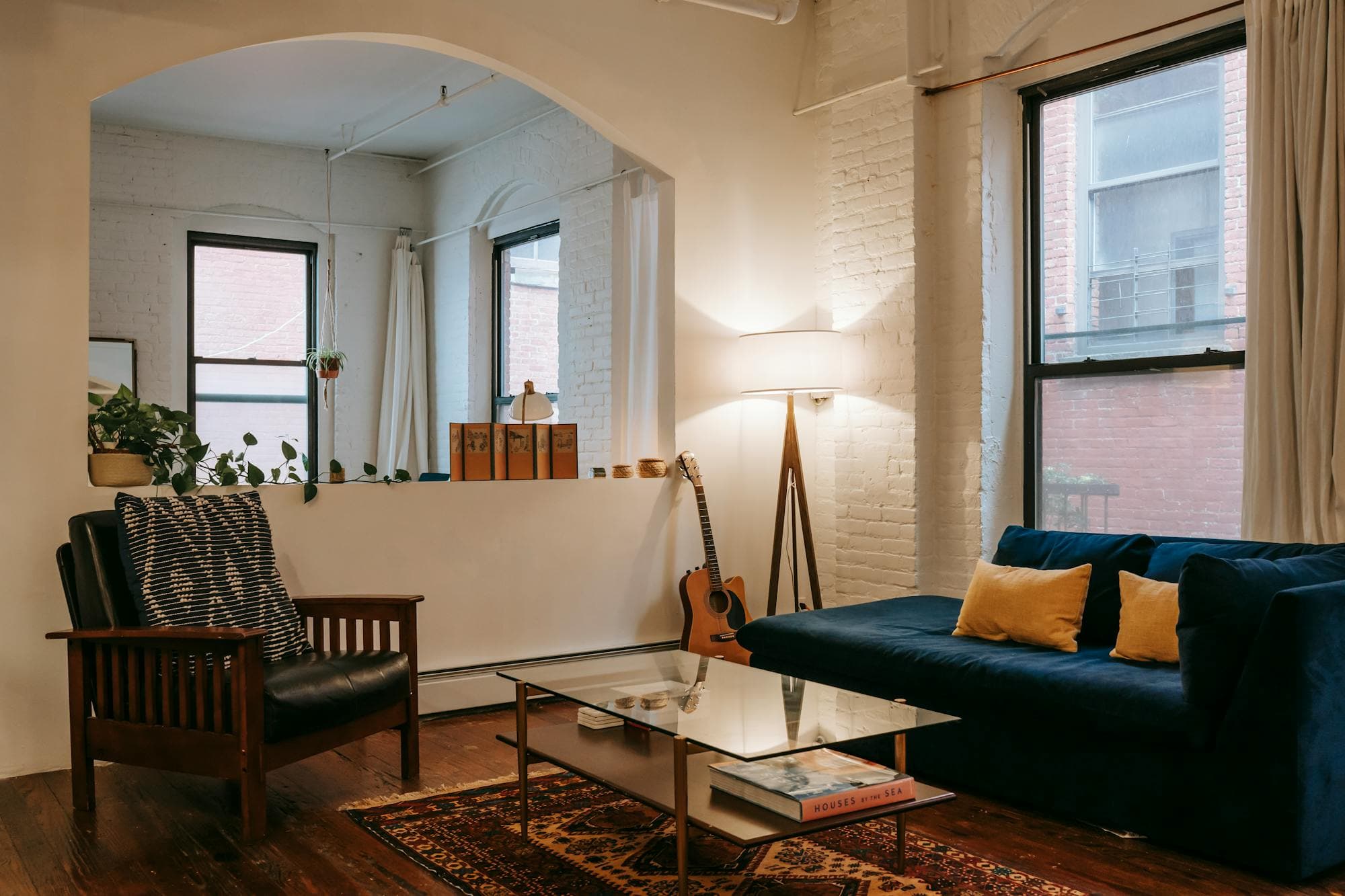
If your home is uninhabitable after a covered claim — fire, water damage, hail, anything that triggers a displacement — your homeowner's or renter's policy almost certainly includes Additional Living Expenses (ALE) coverage. This guide explains how ALE works in Denver, what the adjuster will and won't approve, and what to look for in displacement housing.
In practice, ALE covers the gap between what you normally spend to live and what your displacement costs you — and a direct-leased furnished apartment fits that process more cleanly than a vacation rental or an aparthotel does.
What ALE actually covers
ALE — Additional Living Expenses, sometimes called "Coverage D" — pays for the extra costs you incur because you can't live in your home. The key word is "additional." If your mortgage is $2,000/month and you keep paying it, you don't get reimbursed for that. If your displacement housing costs $3,500/month, you get reimbursed for the $1,500 difference — plus any increased commuting, laundry, meal, or pet boarding costs you can document.
Most policies cap ALE at either a percentage of your dwelling coverage (20–30% is common) or a flat dollar amount, and limit it to the time "reasonably required" to repair or rebuild. For a major fire claim in Denver, that can be 12–24 months; for a moderate water claim, 60–120 days; for minor damage, 30–60 days.
How the adjuster expects you to find housing
The first thing an adjuster looks for is documentation: a real lease, itemized monthly statements showing rent and any included utilities, and an address they can verify. An Airbnb reservation rarely clears — most adjusters reimburse against a residential lease, not a booking confirmation.
They also weigh whether the rental is comparable to the home you left. A two-bedroom claim doesn't justify a four-bedroom house; the standard is rough equivalence, though the adjuster has wide discretion. And the rate has to be reasonable for the market — Denver's furnished mid-term range is well understood, and an adjuster will push back on anything that looks like an outlier.
How we work with adjusters
For Postlease displacement guests, we typically provide the adjuster a packet on day one: the signed lease, the daily rate breakdown, address verification, a W-9, and a copy of our property liability insurance. We can also confirm occupancy dates and produce monthly statements throughout the displacement. For longer claims, we can direct-bill the carrier with the adjuster's authorization. More on insurance stays with Postlease →
The biggest friction we see isn't between the property and the adjuster — it's between the adjuster and the policyholder. ALE reimbursement is almost always paid to the policyholder, not the property, and the policyholder is responsible for cash-flowing the rent until the carrier reimburses. We can structure a lease that defers part of the first month's rent until the first ALE payment lands, which helps.
What to verify before moving in
A few points are worth confirming with your agent or adjuster before you move in — they head off the disputes that surface when the reimbursement check is cut:
- Your policy's ALE limit, both the dollar cap and the time limit. A 20%-of-dwelling cap on a $400,000 home is $80,000, which sounds ample until a major fire rebuild runs past a year.
- Written authorization from the carrier for this specific rental — the monthly rate and the expected duration. It isn't always required, but it prevents arguments later.
- The lease's termination terms. Claims resolve on unpredictable timelines, so confirm up front what notice the lease requires if you need to leave once the displacement is officially over — and get it in writing. These terms vary from one furnished rental to the next, so it's worth settling before you move in rather than when the claim closes.
Pets, kids, and the rest of normal life
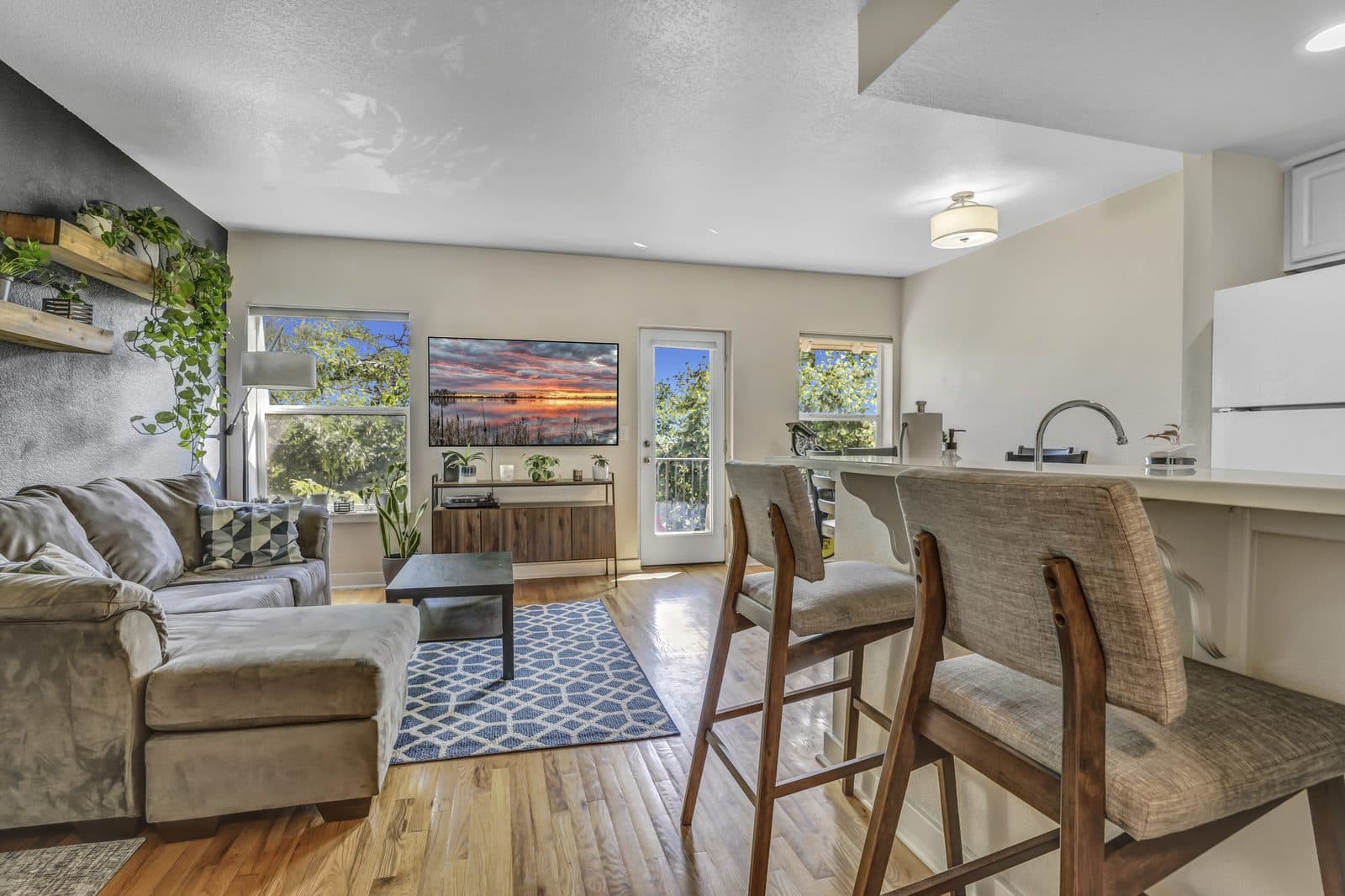
A displacement claim isn't a vacation. It's living somewhere you didn't choose, often with limited control over how long the situation lasts. Operators who get this right design their properties for the long version of normal life: room for kids' homework, a place for pets, a real kitchen for actual cooking, a working desk for remote work, laundry in the unit, and enough storage for a family's everyday stuff.
If you're displaced and looking for housing, the question to ask an operator isn't whether the place is nice enough — it's whether your family can actually live there for 90 days.
Common questions
Additional Living Expenses (ALE) coverage reimburses you for housing costs while your primary residence is uninhabitable. We produce documentation in the format adjusters expect: itemized lease, daily rate breakdown, address verification, and receipts. We've worked with adjusters from most major carriers.
Available units can usually be ready within 48–72 hours. We've turned units around faster — within 24 hours — when the displacement timeline required it. The bottleneck is usually paperwork, not the unit itself.
Yes. Long displacements need to feel like home — every unit is pet-friendly and family-friendly. We can stock the unit with a crib, pack-and-play, or kid-specific supplies if you tell us before move-in.
We can — though most carriers prefer to reimburse the policyholder rather than direct-bill the property. We'll work with whatever the adjuster's process requires. Direct billing is available for displacements over 60 days with a signed authorization letter.
All Postlease apartments require a 30-night minimum. You pick your own move-in and move-out dates from there — we don't sell in monthly increments, so a 41-night stay or a 67-night stay is fine. Most guests stay 45–90 nights.
Stay with Postlease
Neighborhood guides

Planning a Denver stay of 30 nights or more? Tell us your dates — we reply within one business day.
Send an inquiry

About Postlease
Postlease operates fully-furnished mid-term apartments in central Denver — direct booking with an optional paper lease, plus listings on Airbnb and Furnished Finder. Our team operates every property directly: no franchising, no contractor turnover. Browse current stays →